Dysuria is when you have discomfort or pain when peeing. It's often described as a painful ache or burning feeling. Learn more about this problem and how it can be treated.
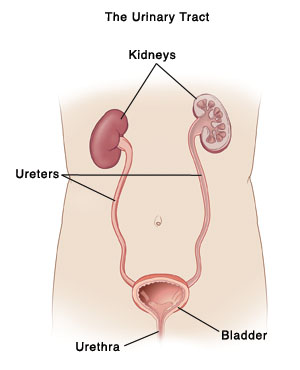
What causes dysuria?
Possible causes include:
-
Infection with a bacteria or virus such as a urinary tract infection (UTI) or a sexually transmitted infection (STI)
-
Sensitivity or allergy to chemicals, such as those found in lotions and other products
-
Prostate or bladder problems
-
Radiation therapy to the pelvic area
How is dysuria diagnosed?
Your healthcare provider will examine you and ask about your symptoms and health history. After talking with you and doing a physical exam, your healthcare provider may or may not know what's causing your dysuria. You'll most likely need more testing, such as a urine sample. Tests of your urine (urinalysis) will include:
-
Looking at the urine sample (visual exam)
-
Checking for substances (chemical exam)
-
Looking at a small amount of the urine under a microscope (microscopic exam)
Some parts of the urine test may be done in the healthcare provider's office. Others may be done in a lab. The urine sample may also be checked for bacteria and yeast (urine culture). Your healthcare provider will tell you more about additional tests if they're needed.
How is dysuria treated?
Treatment depends on the cause. If you have a bacterial infection, you may need antibiotics. You may be given medicines to make it easier for you to pee and to help ease pain. Your healthcare provider can tell you more about your treatment options once a diagnosis is made. If not treated, symptoms may get worse.
When to call your healthcare provider
Call the healthcare provider or seek medical care right away if you have any of the following:
-
Fever of
100.4 ° F (38 °C ) or higher, or as directed by your healthcare provider -
No improvement after 3 days of treatment
-
Trouble peeing because of pain
-
New or increased discharge from the vagina or penis
-
Rash or joint pain
-
Increased back or belly pain
-
Enlarged painful lymph nodes (lumps) in the groin
Online Medical Reviewer: Marc Greenstein MD
Online Medical Reviewer: Raymond Kent Turley BSN MSN RN
Online Medical Reviewer: Rita Sather RN
Date Last Reviewed: 03/01/2024
© 2000-2025 The StayWell Company, LLC. All rights reserved. This information is not intended as a substitute for professional medical care. Always follow your healthcare professional's instructions.