Changing the way you eat can improve your health. It can lower your cholesterol and blood pressure, and help you stay at a weight that's healthy for you. Healthy eating doesn't have to be bland and boring. These steps can help you get started.
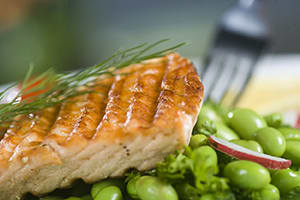
Step 1. Include a variety of foods from all food groups
- Include healthy protein foods at each meal.
- Include dairy foods. You can also choose fortified non-dairy alternatives, like soy milk.
- Eat vegetables throughout the day, choosing different types and colors.
- Include fruits as part of meals or snacks.
- Use healthy fats, such as oils from plants, in small amounts.
- Choose whole grains as part of your daily eating pattern.
Step 2. Choose healthier options more often
- Include a variety of protein foods, including beans, lentils, chickpeas, tofu, tempeh, nuts, seeds, fish, poultry, eggs, and lean cuts of meat. Choose these options more often than processed meats such as bacon, sausage, hot dogs, and deli meats.
- Choose unsweetened dairy foods more often, such as plain milk or yogurt. To help limit saturated fat, choose low-fat or nonfat options.
- Fresh, frozen, and canned fruits and vegetables can all be healthy choices. When using canned or packaged options, look for vegetables with no added salt or low sodium, and choose fruits packed in water or 100% juice instead of syrup.
- Use plant-based fats more often, such as olive oil, canola oil, avocado oil, nuts, seeds, nut butters, olives, and avocados, instead of butter or solid fats.
- Choose whole grains more often than refined grains. For example, pick whole wheat bread or brown rice instead of white bread or white rice.
Step 3. Limit foods that are less healthy
- Limit foods that are high in added sugars, such as desserts, candy, pastries, and many packaged snack foods.
- Limit refined carbohydrates. These include foods made with white or refined flour, such as white bread, white rice, regular pasta, flour tortillas, pastries, sweetened breakfast cereals, and baked goods like muffins or cookies.
- Limit highly processed foods. These can be high in added sugars, sodium, or saturated fat. Examples include chips, packaged baked goods, instant noodles, ready-made frozen meals, and heavily sweetened or salty snack foods.
Step 4. Choose healthy drinks
- Choose water most often.
- Limit sugary drinks. This includes soda, energy drinks, juice, and sweetened coffee or tea drinks.
- Try adding fruit or herbs, such as lemon, lime, berries, cucumber, or mint, to your water.
- Try flavored sparkling water with no added sugars.
- Choose unsweetened coffee and tea instead of sweetened options.
Step 5. Eat the right amount for you
- Your food needs depend on your age, sex, activity level, and health goals. Choose portions that support your overall health and help you stay at a weight that's healthy for you.
- Pay attention to portion sizes. The serving size on a food label is a reference only and may be smaller or larger than the portion you actually eat. You can use it to compare foods and understand how much of certain nutrients a serving provides.
- Notice your hunger and fullness cues. Try to eat when you feel hungry and stop when you feel satisfied, not overly full.
Online Medical Reviewer: Brittany Poulson MDA RDN CD CDE
Online Medical Reviewer: Jessica Gotwals RN BSN MPH
Online Medical Reviewer: Robert Hurd MD
Date Last Reviewed: 09/01/2025
© 2000-2026 The StayWell Company, LLC. All rights reserved. This information is not intended as a substitute for professional medical care. Always follow your healthcare professional's instructions.