Anemia is a condition in which the red blood cell count is too low. In pregnancy, this is often caused by not having enough iron in the blood. Anemia is common in pregnancy and very easy to treat.
Why you need iron
While pregnant, your body uses iron to make red blood cells for you and your baby. These cells bring oxygen to your baby and to the rest of your body. Not having enough red blood cells can cause your baby to be born too small. But this is rare, because it’s easy to get enough iron.
Testing for anemia
The only way to know if you have anemia is to have a simple test called a CBC (complete blood count). This is a routine test that will be done at one of your first prenatal visits. This test may be done again, at about week 26 to week 28.
Treating anemia
If you have anemia due to low iron content, follow the advice of your doctor. Eating foods high in iron and taking supplements can help you get the iron you need.
Eating foods high in iron
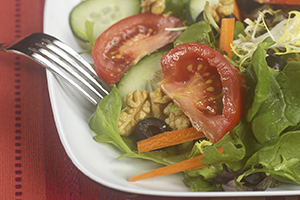
Eat foods that are high in iron such as:
-
Lean red meat (limit organ meats such as liver).
-
Seafood (be sure it’s fully cooked). Don't eat fish that are high in mercury, such as swordfish, tilefish, king mackerel, and shark.
-
Tofu.
-
Eggs.
-
Green, leafy vegetables.
-
Whole grains and iron-fortified cereals.
-
Dried fruits and nuts.
Taking iron supplements
In most cases, a prenatal vitamin can provide enough iron. But if you need more, your doctor may prescribe an iron supplement. Swallow iron pills with a glass of orange or cranberry juice. The vitamin C in these fruit juices can help your body absorb iron.
Don’t take your iron pills with juices that have calcium added to them. They can keep your body from absorbing the iron.
Iron supplements
Iron supplements may have certain side effects. They may cause your stools to turn black and make you feel sick to your stomach or constipated. Here are some tips that may help you limit side effects:
-
Start slowly. Take 1 pill a day for a few days. Then work up to your prescribed dose over time.
-
Take your pills with meals and not at bedtime.
-
Increase the fiber in your diet. Eat more whole grains, fruits, and vegetables.
-
Do mild exercise each day.
-
If advised by your doctor, take a stool softener.
Featured in
Online Medical Reviewer: Daphne Pierce-Smith RN MSN
Online Medical Reviewer: Tennille Dozier RN BSN RDMS
Online Medical Reviewer: Vinita Wadhawan Researcher
Date Last Reviewed: 06/01/2025
© 2000-2026 The StayWell Company, LLC. All rights reserved. This information is not intended as a substitute for professional medical care. Always follow your healthcare professional's instructions.