Anxiety is part of the body’s natural defense system. It's an alert to a threat. The threat may be unknown, vague, or from your own internal fears. While you’re in this state, your feelings can range widely. You may feel a sense of worry. You may have physical feelings, such as a racing heartbeat. These feelings make you want to react to the threat. An anxiety response is common in many situations. But some people may have an anxiety disorder. Then the same response can occur too much or at the wrong times.
Anxiety can be helpful
Anxiety is a signal from your brain. It warns you of a threat. It's a common response to help you prevent something. Or it helps you to decrease the bad effects of something you can't control. For example, anxiety is a response to things that might harm your body, separate you from a loved one, or cause you to lose your job. The symptoms of anxiety can be physical and mental.
How does it feel?
People with anxiety may have any of these symptoms:
Physical symptoms
-
Dizziness
-
Muscle tension or pain
-
Restlessness
-
Sleeplessness
-
Racing heartbeat
-
Fast breathing or shortness of breath
-
Shaking or trembling
-
Stomachache
-
Diarrhea
-
Loss of energy
-
Sweating
-
Cold, sweaty hands
-
Chest pain
-
Dry mouth
Emotional symptoms
-
Feeling irritable
-
Having trouble concentrating
-
Worrying
Anxiety can also be a problem
Anxiety can become a problem when it is:
-
Hard to control.
-
Occurs for months.
-
Causes problems with important parts of your life.
With an anxiety disorder, your body has symptoms of anxiety too often or too much. The response depends on the type of anxiety disorder. With some types of disorders, the anxiety is much more than needed for the threat that sets it off. With other types, anxiety may occur when there isn’t a clear threat or trigger.
Who has anxiety?
Some people are more likely to have a lot of anxiety than others. It tends to run in families. And it affects more younger people than older people. It's more common in women than men. But no age, race, or gender is immune to anxiety problems.
Anxiety can be treated
Anxiety that disrupts your life can be treated. Your doctor can rule out any physical problems that may cause the anxiety symptoms. If you are diagnosed with a general anxiety disorder (GAD), your health care team will help.
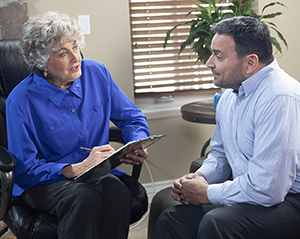
GAD is an illness. Most types of GAD are helped with talk therapy (counseling) and medicines. Your care team can help you develop skills to cope with anxiety. You can work to gain perspective. This can help you overcome fears. Good sources of support or guidance can be found in many places. You can find support at your local hospital, mental health clinic, or an employee assistance program.
How to manage anxiety
Here are some things you can do to cope:
-
Do what you can. Keep in mind that you can’t control everything. Change what you can. And let the rest take its course.
-
Exercise. This is a great way to ease tension. It can help your body feel relaxed.
-
Don't use caffeine or nicotine. These can make anxiety symptoms worse.
-
Stay sober. Don't use alcohol or misuse prescribed medicines. They only make things worse over time.
-
Learn more about anxiety disorders. Keep track of helpful online resources and books you can use during stressful periods.
-
Work on stress management. Try things like meditation.
-
Talk with others. Join an online or in-person support group.
-
Get medical care. Mental health services can help you manage your symptoms if you need more help.
Online Medical Reviewer: Daphne Pierce-Smith RN MSN
Online Medical Reviewer: Michelle Anderson DNP
Date Last Reviewed: 06/01/2025
© 2000-2026 The StayWell Company, LLC. All rights reserved. This information is not intended as a substitute for professional medical care. Always follow your healthcare professional's instructions.