Gonorrhea is a bacterial infection that is transmitted sexually. Many women and some men who have it don't have any signs or symptoms. Gonorrhea can infect your genitals, rectum, or throat. If not treated, gonorrhea can cause a painful penile, vaginal, or rectal discharge. Sometimes it can cause a very bad sore throat. If untreated, it can sometimes also lead to swollen and painful joints or lifelong (permanent) damage to your reproductive organs. Untreated women, in particular, are at risk of infertility (being unable to have children). If a pregnant woman has gonorrhea, she can pass it to her baby during childbirth.
Gonorrhea is also called the clap or the drip.
Symptoms
In men:
-
Pain or burning when peeing.
-
Watery, milky, or yellow discharge from the penis or anus.
In women:
-
Yellow or white discharge from the vagina or anus.
-
Bleeding between periods.
-
If cervical gonorrhea is left untreated, there is a risk of pelvic inflammatory disease (PID). This can present with pelvic or abdominal pain, vaginal bleeding, or painful intercourse.
Treatment
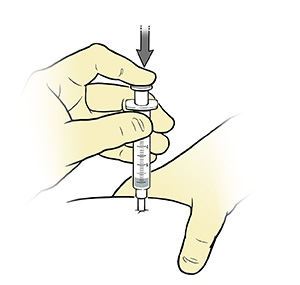
Gonorrhea can be cured quickly with antibiotics. If you are being treated, your partner should also be checked by a health care provider. The CDC recommends treating your partner even if they are not tested. All partners within the last 60 days should be treated. Don’t have sex while you are being treated and for a week after. If symptoms resolve, retesting is not recommended, except for throat infections.
Prevention
As with all sexually transmitted infections (STIs), it is important to know your partner’s sexual history. It's a key step in preventing gonorrhea. Also know the signs and symptoms of the infection. And use latex condoms to reduce your risk. Gonorrhea can cause problems in newborn babies. So experts advise screening (testing) all sexually active women younger than 25, and those women over 25 who are at increased risk.
To learn more
Find more information at these websites:
Featured in
Online Medical Reviewer: Barry Zingman MD
Online Medical Reviewer: Marianne Fraser MSN RN
Online Medical Reviewer: Sabrina Felson MD
Date Last Reviewed: 03/01/2025
© 2000-2025 The StayWell Company, LLC. All rights reserved. This information is not intended as a substitute for professional medical care. Always follow your healthcare professional's instructions.