HPV (human papillomavirus) is the virus that causes genital warts. Some types of HPV may also increase your risk for cancer of the cervix, genitals, mouth, and rectum. By taking care of yourself, you can help your body fight against HPV. And you can lower the risk of spreading it to partners. Regular visits with your doctor, a healthy immune system, and being aware of risks help you stay in control.
Make healthy choices
- Quit smoking. Smoking weakens the immune system. It also increases the risk of many cancers, including cervical cancer.
- Use condoms correctly. Use latex or polyurethane condoms the right way each time you have sex. Visit this CDC website to learn about correct condom use. HPV can infect areas not covered by condoms. This means condoms may not always protect against HPV.
- Limit your number of sex partners. Also, consider avoiding sexual activity with people who have had many other sex partners. This can help lower your risk of exposure to HPV. If you have multiple sex partners, always use a condom.
- Get the HPV vaccine if your doctor advises it. Ask about getting the vaccine if you haven't already.
See your doctor
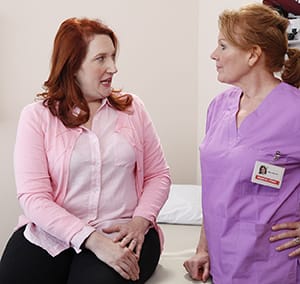
- Treatment for genital warts may take a few trips to your doctor. Stick with it. You may need to try a few treatments before you find the one that works best.
- Once the warts are removed, schedule follow-up visits as directed and look out for new sores. Warts from HPV tend to come back, no matter how they are treated. If needed, use a mirror to do self-exams between visits. See your doctor right away if you notice any new warts.
- Women should have routine Pap tests of the cervix and possibly the anus as often as their doctor advises. HPV testing is advised after age 30. Some men should have Pap tests of the anus as advised by their doctor. Talk to your doctor if you have questions about how often you should be tested.
- Talk with your doctor about being vaccinated against HPV, even if you've had warts or an abnormal Pap smear already. The HPV vaccine may help to protect you from disease or from other strains of HPV.
Think about your needs
- During pregnancy, certain treatments for genital warts shouldn't be used. Your doctor can tell you which ones are safe. Talk to your doctor about your medicines before you try to become pregnant. If you become pregnant, make sure your doctor knows that you have HPV.
- People with weak immune systems may have more frequent outbreaks. They also may not respond as well to treatment. Your doctor can help find the best treatment plan for you.
Online Medical Reviewer: Rita Sather RN
Online Medical Reviewer: Sabrina Felson MD
Online Medical Reviewer: Shaziya Allarakha MD
Date Last Reviewed: 03/01/2024
© 2000-2026 The StayWell Company, LLC. All rights reserved. This information is not intended as a substitute for professional medical care. Always follow your healthcare professional's instructions.