Using vision aids can help you do the things you need and want to do. There are many kinds of vision aids. You can buy them at low-vision centers. Some eye care providers also sell these aids. They can train you to use your aids and talk with you about using the correct lighting.
Working with your eye care provider
Your eye care provider will check your eyes and help you get the vision aids that will work best for you. Or they may refer you to an eye care provider who is trained to treat low vision (a low-vision specialist). You’ll likely have glasses prescribed for you, too. Many vision aids are designed to be used along with glasses. Wear your glasses as directed.
Vision aids
There are many aids to help you see better and make your daily life easier. These include:
-
Magnifiers, such as high-power glasses and telescopic devices.
-
Check-writing guides.
-
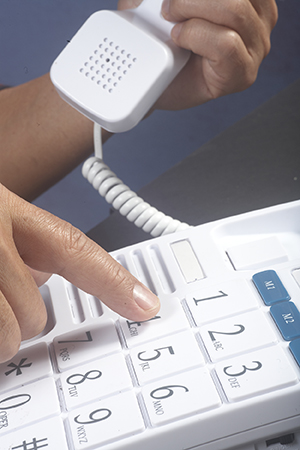
Large-button telephones and stoves with large dials.
-
Smartphone settings to make text and numbers larger.
-
Talking clocks, audiobooks, computers, and other machines.
-
Large-print books, newspapers, magazines, and playing cards.
-
Closed-circuit TV systems to magnify reading material.
Correct lighting
Lighting advice includes these tips:
-
Use a portable light with an adjustable arm. Place it close to what you’re reading or doing. Carry a penlight.
-
Sit near a window during the day. At night, make sure there is plenty of lighting in the room.
-
Try a visor, a hat with a brim, or special lenses to reduce glare from lighting or the sun.
Online Medical Reviewer: Daphne Pierce-Smith RN MSN
Online Medical Reviewer: Mahammad Juber MD
Online Medical Reviewer: Raymond Turley Jr PA-C
Date Last Reviewed: 03/01/2025
© 2000-2025 The StayWell Company, LLC. All rights reserved. This information is not intended as a substitute for professional medical care. Always follow your healthcare professional's instructions.